





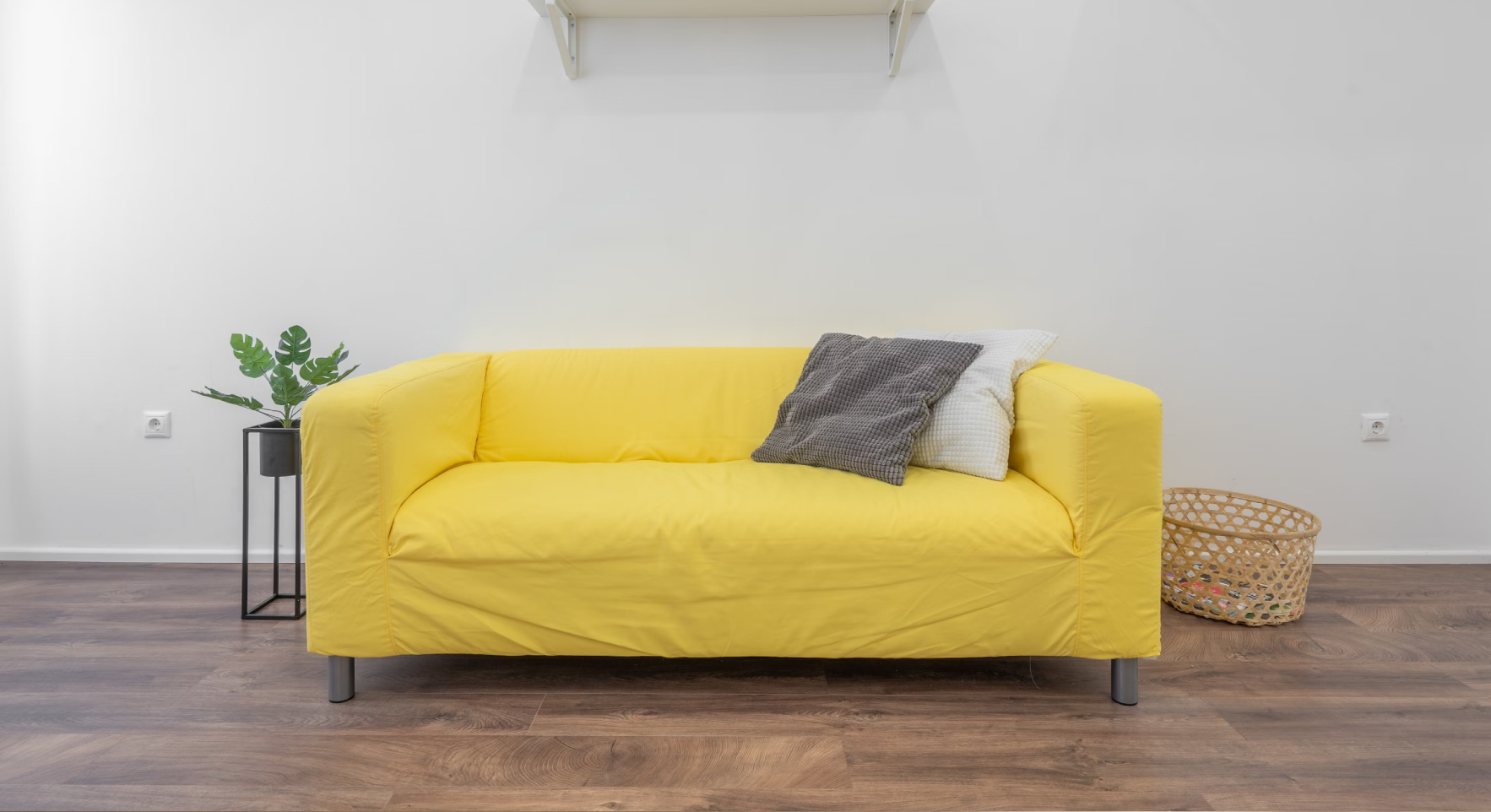
Wooden parquet: types and characteristics
Wooden parquet is a popular flooring material made from natural wood. This material has its own types and characteristics, which are important to consider when choosing it for your premises.
- One type of wood flooring is parquet board, which consists of thin wooden planks that are glued together. This type of flooring is quite popular due to its high strength and durability.
- Another type of wood parquet is solid parquet, which is made from a single piece of wood. This type of parquet has a sophisticated look and is perfect for a classic interior.
The characteristics of wood parquet include high thermal insulation, natural beauty and environmental friendliness. It's also important to consider moisture and wear resistance when choosing wood flooring. So, parquet is a great choice for creating a cozy and elegant interior of your room.
Types of modern parquet flooring - number of layers
A modern parquet board can have a different number of layers, which affects its quality and cost. Usually, a parquet board consists of three layers: top, middle and bottom. The top layer, or the so-called "wear-resistant" layer, is made of high-quality wood and is responsible for the appearance and durability of the coating. The middle layer, or "bearing" layer, is usually made of softwood and is responsible for resistance to moisture and temperature changes. The bottom layer, or "stabilizing" layer, provides resistance to deformation and bending under load. The choice of a parquet board depends on the budget, operating conditions, and aesthetic preferences. You may also be interested in: skirting boards, glue for parquet boards or parquet board
Which one to choose: solid, engineered or three-layer parquet?
When choosing a parquet board, it is important to consider not only aesthetic properties but also technical characteristics. Solid flooring is made from a single piece of wood and has high strength and durability, although it is more susceptible to changes in humidity and other climatic changes in the room. Engineered flooring consists of a layer of valuable wood and plywood, which makes it more resistant to changes in temperature and humidity. The three-layer parquet board has an optimal price-quality ratio, it is made of three layers of wood and can be installed both in rooms with and without underfloor heating. The choice of a specific type of flooring depends on your quality requirements, budget and the operating conditions of the room.
How to lay parquet flooring correctly. Types of installation
Parquet is an excellent choice for flooring in any room. Installing it can be a complicated process, but if you follow certain rules, everything will go smoothly and without problems.
First of all, it is necessary to prepare the surface on which the parquet board will be laid. It should be flat, dry and clean. Then you should choose the installation method: glue or lock.
- Floating method (locking connection): the boards are connected to each other with locks without the use of glue. This is a simple and fast method that allows you to easily dismantle the flooring when needed. It is suitable for residential areas with medium load.
- Adhesive method: the planks are glued to the subfloor with parquet glue. This method provides a reliable and durable fixation and is suitable for large areas or rooms with high traffic.
Each method has its own advantages and is used depending on the operating conditions of the premises.
How to lay a parquet board - the order of installation work
Laying parquet flooring is an important step in the repair or construction of a room. To ensure a high-quality and long-lasting result, you need to follow a certain installation procedure.
- Surface preparation: Before laying the parquet planks, it is necessary to prepare the surface. It must be flat, dry and clean. Remove all bumps, dust and dirt, and check the moisture level.
- Choosing a laying method: There are different methods of laying parquet, such as glue-down or floating. The choice of method depends on the type of parquet and the characteristics of the room.
- Start laying: Start laying the parquet from one corner of the room. Use special rings to create expansion joints.
- Securing the boards: Secure each board properly to prevent shifting or bending. Use glue or nails to securely fasten the boards.
- Completion of the work: after laying all the parquet boards, check the evenness and quality of the installation, be sure to walk the floor, make sure that all the boards are securely fastened and there are no visible defects. Also, do not forget to trim the boards around the perimeter of the room. Finish the floor with sanding and varnishing to create a perfect look.
By following this installation procedure, you will be able to lay your parquet flooring with high quality and without any problems.
Recommendations for care after installing parquet flooring
After installing your flooring, it is important to take proper care of it to ensure its long service life and maintain its attractive appearance. Here are a few recommendations for care after installing your flooring:
- Avoid getting the parquet wet. Use a damp cloth when cleaning.
- Regularly remove dust and dirt from the parquet surface with a vacuum cleaner or soft brush.
- Use special parquet care products that do not contain aggressive substances.
- Avoid exposing the parquet to direct sunlight, as this can cause fading and warping of the planks.
- When moving furniture on parquet, use filters or protectors to avoid scratches and damage.
By following these recommendations, you will be able to keep your parquet in excellent condition for many years.
