





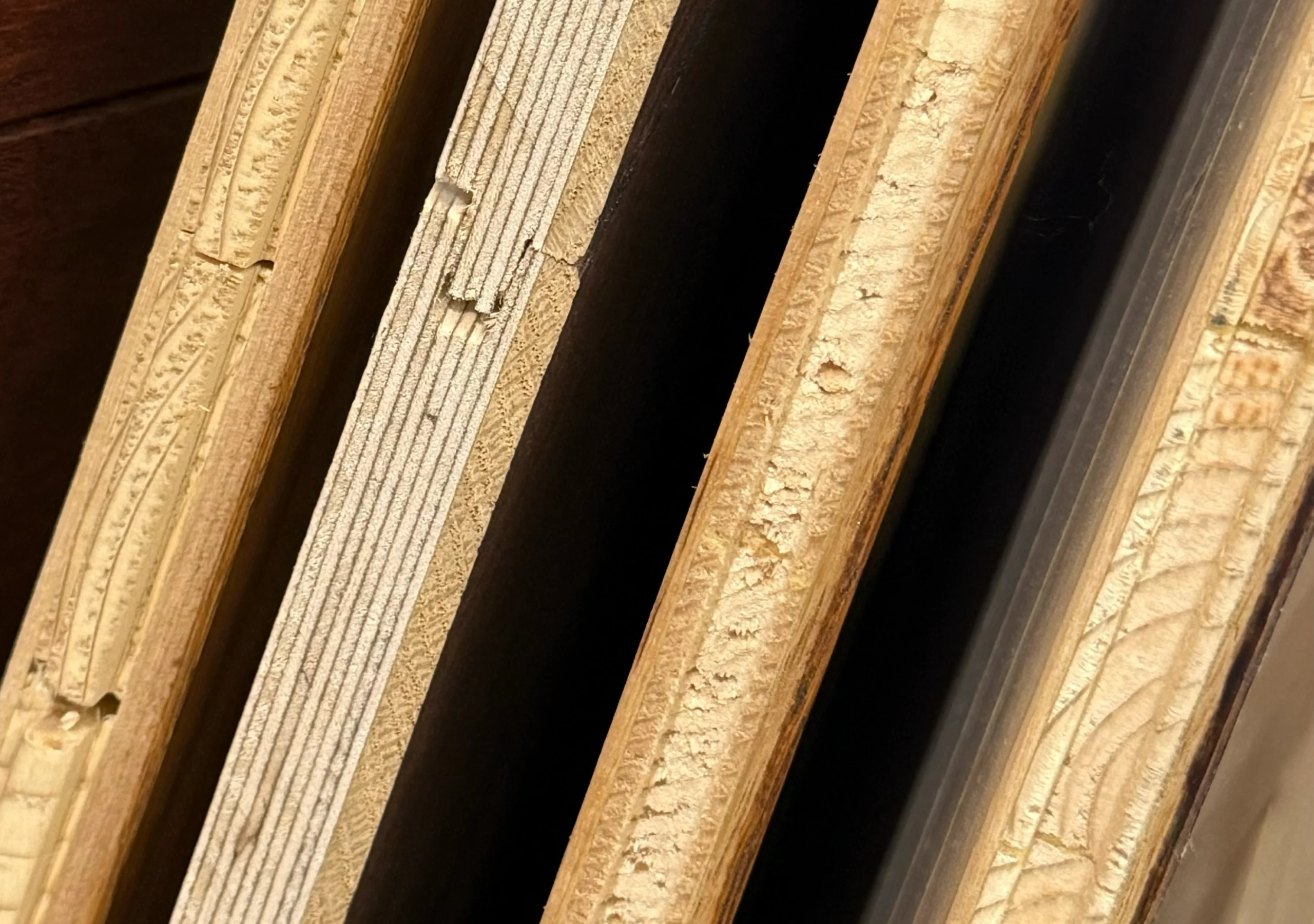
When choosing parquet, people often pay attention to the color, type of wood, or board format.
But. the real durability of parquet is not determined by its appearance, The design parameters are not always visible at first glance.
Let's take it apart, that really affects how the floor will behave in 5, 10 and 20 years.
Parquet thickness: bigger is not always better
There is a common myth: the thicker the parquet, the more durable it is.
In fact it is not the total thickness that matters, but its structure.
What you should pay attention to:
- Thickness of the working layer (valuable wood)
- Layer balance in the design
- Stability of the base
Parquet with a properly calculated thickness is better:
- withstands the load
- responds to changes in temperature and humidity
- retains its geometry over the years
Board construction: the basis for stability
It is the design that determines, how stable the floor will be in real operating conditions.
The main types of structures:
- massive board
- engineered parquet
- multilayer parquet board
Modern manufacturers are increasingly choosing engineering or multilayer construction, because she:
- reduces the internal stress of wood
- compensates for seasonal fluctuations
- suitable for underfloor heating systems
Wood stability: a key factor in durability
Even the best wood can lose its shape without proper preparation.
Stability depends on:
- proper drying
- wood aging
- humidity control at every stage
- layer bonding technologies
This is where the difference between just a beautiful parquet і parquet designed to last for decades.
Production technologies that matter
The durability of the parquet is formed at the production site.
The modern approach includes:
- high-precision milling
- checking the geometry of each board
- control of bonding density
- stabilization of the material before finishing
These details are invisible to the eye, but critical to the result.
Coating as protection, not disguise
A topcoat does not make parquet durable by itself, but protects the structure from premature wear and tear.
High-quality oils and varnishes:
- reduce the effects of moisture
- protect against mechanical damage
- allow local recovery
It is important that the coating works paired with the structure, rather than compensate for its shortcomings.
What you should really ask when choosing parquet
Instead of asking «how thick is it?» you should specify:
- what is the design of the board
- what is the thickness of the working layer
- how the wood is prepared
- whether the parquet is stable in real conditions
- for which premises it is recommended
These are issues that directly affect durability.
Conclusion.
The durability of parquet is a combination of thickness, sophisticated design and material stability.
These parameters determine how the floor will look not in the showroom, but in your space in years to come.
At EVEROLI, we work with parquet as an engineering product, where every detail of the design matters, and beauty is the result of the right technology.
